How Does Lenire Help With Tinnitus Relief? Understanding the Treatment
Living with tinnitus can make even quiet moments feel overwhelming. The constant ringing, buzzing, or humming in the ears often affects sleep, concentration, and overall well-being. For people searching for a non-invasive option, Lenire Tinnitus Treatment has become a topic of growing interest.
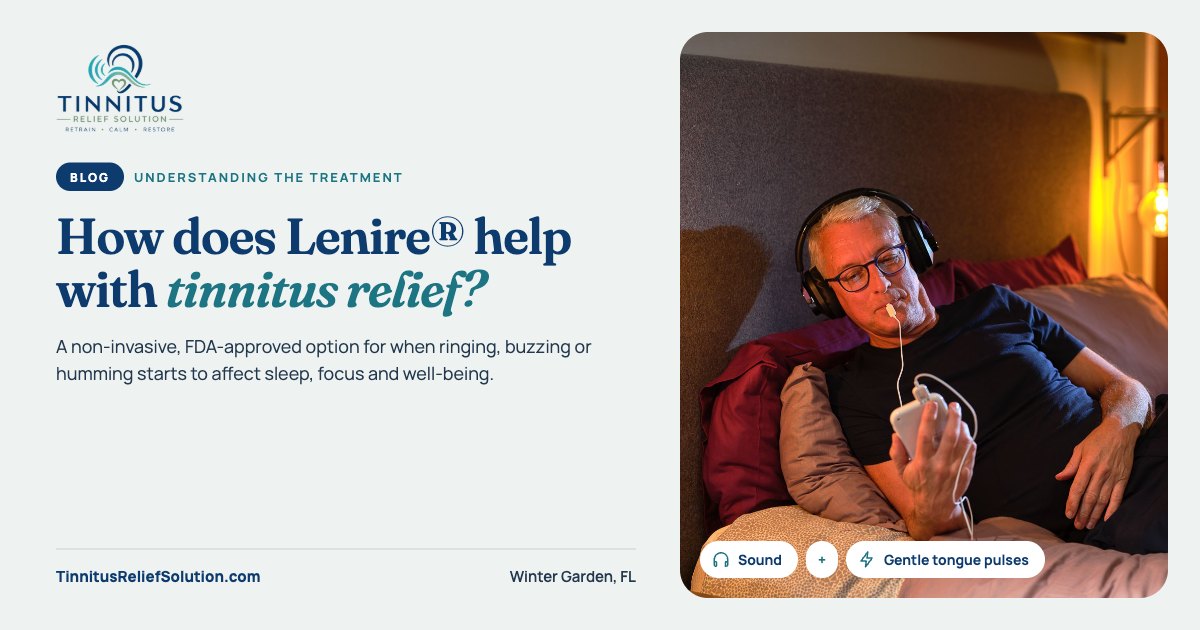
Living with tinnitus can make even quiet moments feel overwhelming. The constant ringing, buzzing, or humming in the ears often affects sleep, concentration, and overall well-being. For people searching for a non-invasive option, Lenire Tinnitus Treatment has become a topic of growing interest.
At Tinnitus Relief Solution, we are committed to ensuring that knowledge about treatment options is the starting point towards decision-making when it comes to healthcare. This manual gives an overview of Lenire, its uses, and other things you need to know.
What Is Lenire Tinnitus Treatment and Why Does It Happen?
Tinnitus is the phenomenon of hearing sounds when there is no external source. Patients experience these sounds as either ringing, buzzing, clicking, hissing, or whistling; however, the duration of their occurrence may vary.
Common causes include:
- First point
- Second point
- Ear infection or earwax buildup
- Specific drugs
- Nerve-related hearing loss
Tinnitus is not an illness. Rather, it is generally a symptom associated with modifications in the auditory system or the brain’s sound processing capabilities.
Lenire Tinnitus Treatment: What Is It?
Lenire tinnitus treatment is an innovative procedure that utilizes bimodal neuromodulation for the purpose of alleviating the negative effects of tinnitus. Unlike conventional therapies, which utilize maskers, the innovative procedure incorporates the use of sound and mild electrical tongue stimulation. The aim is to train the brain’s auditory system to react differently to the tinnitus signal in the long run. This treatment is meant to be a structured treatment that the user follows per clinical advice. Unlike hearing aids or white noise generators, Lenire attempts to alter the brain’s response rather than masking the sound.
How Does Lenire Help With Tinnitus Relief?
The important concept involved in the workings of Lenire is that of bimodal stimulation, which refers to the activation of two sensory pathways at once. This is how the technology functions:
Sound stimulation - Delivers customized audio through headphones Tongue stimulation - Provides gentle electrical pulses using a small oral device Combined therapy - Encourages changes in neural activity linked to tinnitus perception
The tongue is covered by many nerve endings which are part of brain pathways related to auditory processes. Through combining sound with the precise activation of the tongue, the therapy helps facilitate neuroplasticity, which is the brain’s ability to form new neural connections. The method does not treat the root cause of tinnitus, but instead attempts to decrease the brain’s reaction to the noise.
The Science Behind Bimodal Neuromodulation
Neuroplasticity is a factor that contributes to the emergence and maintenance of tinnitus. In the event that there is any damage or changes in one’s hearing capabilities, the brain can become hyperactive in some areas.
However, bimodal neuromodulation works against this cycle through repetitive presentations of coordinated sensory stimuli. Eventually, this approach will help some people achieve decreased severity of tinnitus symptoms or emotional stress related to hearing such sounds. Although scientists are currently researching the possible results of this therapy in the long run, the concept is based on the notion of lifelong brain plasticity.
Who May Be a Suitable Candidate?
Lenire treatment for tinnitus may not be suitable for everyone. The appropriateness of the therapy depends on the specific condition of the patient in terms of:
The healthcare professional may evaluate:
- Tinnitus symptom duration
- Hearing capability
- Ear health
- Diseases affecting the auditory system
- Methods used in treating tinnitus previously
People with chronic subjective tinnitus are often the group most commonly evaluated for this type of therapy. A proper assessment is essential before beginning any treatment plan.
### What Happens During the Treatment Process?
While personal treatment plans differ, the general process remains organized and led by an audiology expert.
Initial Assessment
The process starts with hearing tests, as well as a thorough discussion of tinnitus signs, way of life, and treatment objectives.
Device Personalization
Sound settings will be configured based on the hearing profile of the individual. This customization is meant to provide the right therapy program.
Daily Therapy Sessions
The users will normally undertake the sessions on a consistent basis from home, wearing the headsets and the tongue stimulator, according to the schedule advised by their doctor.
Progress Reviews
Follow-up visits allow for monitoring of changes in symptoms and the necessity of making modifications. Consistency may be a very crucial element of any tinnitus management program.
Benefits of Lenire Tinnitus Treatment
Although personal experience is varied, the advantages could include changes in the impact of tinnitus on one’s life, rather than the disappearance of the noise itself. These could include:
- Non-surgical management method
- No surgery was performed
- Custom sound treatment
- Individual at-home sessions
- Focusing on alleviating tinnitus impact rather than suppressing sounds
Realistic expectations should be maintained. Tinnitus treatment does not promise a cure but seeks to enhance one’s quality of life and sleep, concentration, and emotional well-being. Lenire vs Traditional Tinnitus Management Various forms of treatment for tinnitus exist and have different functions. Distinguishing between them will allow patients to talk about appropriate choices with their doctor.
Hearing aids - Improve hearing and may reduce tinnitus awareness
Sound masking devices - Cover tinnitus with external sound
Counseling & therapy - Reduce emotional impact and coping difficulties
Lenire tinnitus treatment - Bimodal neuromodulation targeting neural response
They are not always exclusive. It may be advisable for a doctor to combine the two techniques.
What Results Can Patients Expect?
The other frequent question is whether Lenire can make the tinnitus permanently disappear. Well, it will depend on the person and how he/she reacts to treatment. It might be less attention to it or less anxiety because of the sound. Due to the many causes of tinnitus, there is no universal treatment for everyone.
Depending on the results, can be such aspects as:
- Tinnitus - type and time frame
- Ear condition
- Reliability of treatment
- Neurological individuality
A certified hearing expert can guide you to create achievable expectations according to your particular condition.
- Important Considerations Before Choosing Treatment
- Before embarking on tinnitus treatment, ask yourself these questions:
- Has your tinnitus been accurately diagnosed?
- Have you had your hearing tested?
- Does the tinnitus have any connection with any other ailment?
- Have you talked about all your treatment options with an expert?
- Are you aware of what the aim of treatment is?
An educated decision is worth more than going for the latest method without evaluating it properly.
Conclusion
More than just impacting one's hearing ability, tinnitus has the potential to impact other areas of life such as sleeping and productivity. Lenire tinnitus treatment provides a contemporary and minimally invasive solution to tinnitus through the use of bimodal neuromodulation, which seeks to minimize the brain's reaction to tinnitus. For anyone searching for customized tinnitus solutions, Tinnitus Relief Solution recommends seeking professional help to find the right tinnitus solution for you.
General information, not medical advice. Tinnitus has many causes, so the right next step depends on an assessment of your own hearing.