How Is Bimodal Neuromodulation Changing Tinnitus Treatment?
Tinnitus is an illness in which a person hears sounds such as ringing, buzzing, humming, and hissing without any outside source of such sounds. These continuous sounds can make it difficult for the person to concentrate on anything, do any task comfortably, or sleep.
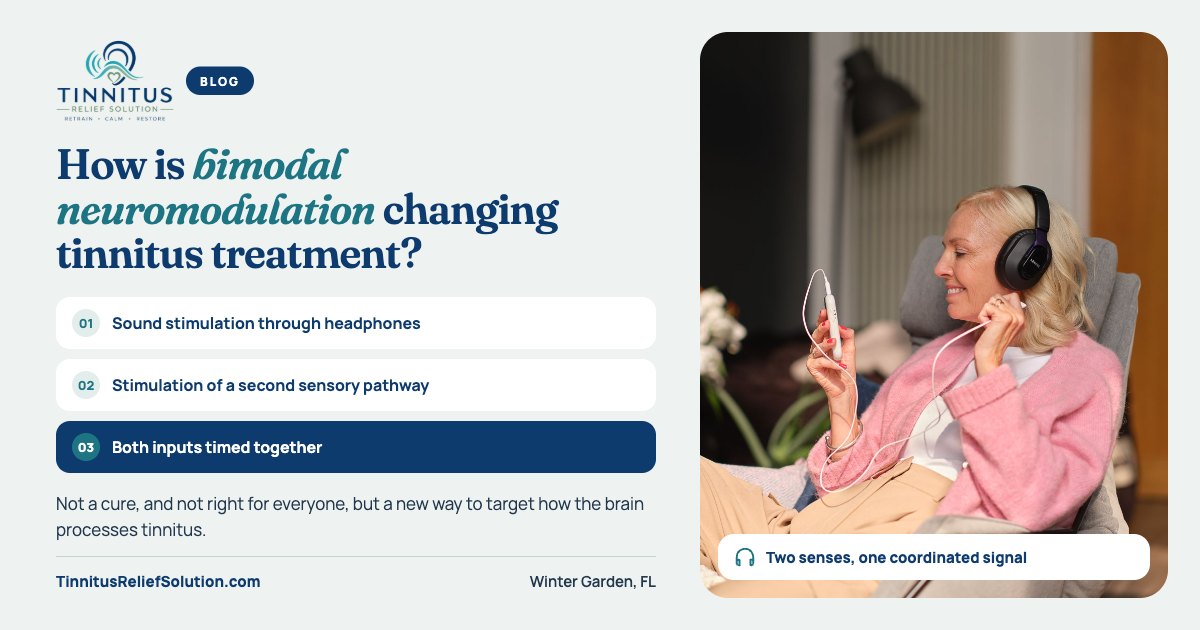
Tinnitus is a condition in which a person hears sounds such as ringing, buzzing, humming, and hissing without any outside source of such sounds. These continuous sounds can make it difficult for the person to concentrate, do tasks comfortably, or sleep. People suffering from tinnitus and looking for relief can find it hard to get. Even though existing conventional treatments can be of some help, scientists continue to search for new, innovative solutions that can affect the way the brain processes sound. Bimodal Neuromodulation Tinnitus Treatment is one in which two sensory pathways are used to modulate the neural processing of tinnitus.
Tinnitus Relief Solution aims to help people understand how they can cope with their tinnitus. Even though bimodal neuromodulation does not guarantee a solution to the problem, it may be useful in the process.
What Is Bimodal Neuromodulation Tinnitus Treatment?
Bimodal Neuromodulation Tinnitus Treatment is a treatment method that applies two different kinds of sensory stimulation to the nervous system. In the case of tinnitus, it includes auditory stimulation by means of sound and stimulation of another sensory area, like the tongue or skin, depending on the device used. Tinnitus does not always result from a disorder of the ear. There could be changes in the processing of auditory signals and in the interaction between networks in the brain.
The rationale for bimodal neuromodulation is that combining auditory and non-auditory stimuli can affect these brain networks. The objective of this method is to reduce the intensity or the effect of tinnitus symptoms in selected individuals. In contrast to traditional sound therapy, in which external sounds are used to make tinnitus less noticeable, bimodal neuromodulation uses a combined approach to stimulation. The exact treatment procedure depends on the device used.
How Does Bimodal Neuromodulation Work?
To explain the role of this technique, it is important to understand that the brain is constantly analyzing information from various senses. Listening is not only a function of our ears; the brain analyzes information coming from various sensory routes. In some patients with tinnitus, changes in auditory processing can be one of the reasons for the constant perception of internal sounds. This is the activity that bimodal neuromodulation targets.
1. Sound Stimulation
The first component uses sounds delivered through headphones or another appropriate audio device. Depending on the treatment system being used, the sounds may be adjusted based on the individual's hearing profile or tinnitus. The sounds do not necessarily serve to cover up the ringing. They are part of the treatment process that aims to affect auditory processing.
2. Stimulation of Another Sensory Pathway
The second component stimulates another sensory system. Some devices use mild electrical stimulation of the tongue, while others may stimulate a different area. These stimuli are used to engage the neural networks that process auditory sensations.
3. Coordinated Sensory Input
The timing and nature of both stimuli are key characteristics of this method. Some therapies use specific sound patterns and stimulation sequences to provide coordinated sensory input. This is intended to encourage change in how the nervous system processes sound. However, people may respond differently, and the treatment is not effective for everyone.
How Is Bimodal Neuromodulation Changing Traditional Tinnitus Treatment?
Conventional tinnitus treatment mainly focuses on reducing the effects of tinnitus and improving quality of life. Based on tinnitus severity and cause, different types of therapies can be used, such as hearing aids, sound therapy, tinnitus counseling, and/or cognitive behavioral therapy. Bimodal neuromodulation, however, takes a new approach by combining two senses to regulate neural activity. The aim is not just to reduce tinnitus but to change the way it is processed by the brain.
Sound therapy - Uses external sounds to mask tinnitus or reduce its prominence.
Hearing aids - Improve hearing when hearing loss is present.
Tinnitus counseling - Helps people understand tinnitus and manage its effects.
Cognitive behavioral therapy - Helps reduce tinnitus-related distress.
Bimodal neuromodulation - Combines sound and another sensory input to influence neural processing.
This does not mean that these treatment methods cannot be combined. Based on hearing test results and symptoms, your healthcare provider may recommend a combination of treatments. For instance, if a patient has both tinnitus and hearing loss, they may use hearing aids together with other treatment methods. If tinnitus disturbs sleep or emotional well-being, there are other ways to help with these particular problems.
What Are the Potential Benefits of Bimodal Neuromodulation?
There is growing interest in bimodal neuromodulation because it offers another choice for people looking for help with tinnitus. Studies of some systems have shown an improvement in tinnitus symptoms in some patients.
1. May Help Reduce Tinnitus Severity
Some studies of specific bimodal neuromodulation systems have shown a reduction in tinnitus severity. Individuals may notice differences in how intrusive the sound is or how much it affects their normal activities. However, this should not be taken as evidence that all devices will give the same result. Results depend on various factors, such as the system being used and the individual.
2. May Improve Everyday Comfort
Persistent tinnitus can make it difficult to concentrate, relax, work, and sleep. If the effect of the condition is reduced, these activities may become easier. This does not always mean the sound has to disappear completely.
3. Provides Another Option for Persistent Symptoms
People who have already tried conventional tinnitus treatments without satisfactory results may consider looking into further options. Bimodal neuromodulation can be discussed as a possible option depending on the individual's case. An evaluation by a specialist will help decide whether a treatment device is suitable or whether there are better options.
4. Supports Individualized Treatment Planning
The effects of tinnitus vary from person to person. Some patients experience faint sounds, while others experience noises that disrupt their activities and become hard to tolerate. Neuromodulation systems can personalize sound settings according to the treatment protocol.
What Does Research Say About Bimodal Neuromodulation?
Bimodal neuromodulation has been researched to find out whether combining auditory stimulation with another form of sensory stimulation could reduce the effects of tinnitus and improve quality of life. Clinical trials involving sound stimulation and tongue stimulation have shown positive results on tinnitus measures for some people. This research has attracted more attention to the possible use of neuromodulation in tinnitus treatment. However, it is important to look at the evidence carefully. Studies may differ in methodology, and one result cannot be applied to all neuromodulation devices.
It is also essential to note that even when symptoms improve, this does not always mean the root cause of tinnitus has been eliminated. More research will help establish who benefits most, how long the effects last, and how the treatment is best used. The use of this approach should be discussed with a qualified healthcare practitioner.
Who May Be Suitable for Bimodal Neuromodulation?
Bimodal neuromodulation therapy can be considered for selected adults who have bothersome tinnitus that does not go away. It is not an appropriate treatment for everyone. Some of the factors that may be considered before recommending therapy are:
- Duration of symptoms: Whether the tinnitus started recently or has existed for a long time.
- Hearing status: Whether there is hearing loss or another auditory problem.
- Effects of the symptoms: How tinnitus affects concentration, sleep, and everyday activities.
- Past medical history: Other conditions that might affect whether the treatment is appropriate.
- Previous treatments tried: Treatments that have already been used for the condition.
A hearing test and evaluation can help determine the cause(s) as well as the treatment options. People who experience sudden hearing loss, or tinnitus with vertigo or neurological symptoms, should see their doctor for assessment rather than relying on a device alone.
What Should You Expect During Treatment?
The therapy process depends on the device as well as the needs of the individual. It usually starts with an evaluation of your tinnitus symptoms, hearing, medical history, and expectations from the treatment. If you are found to be suitable, your healthcare provider will explain how the system works and how it should be used. Some systems are designed for use at home, with proper guidance.
Therapy normally involves following a prescribed schedule rather than expecting immediate results. Progress may be monitored through symptom assessments as well as feedback on your daily activities. Before starting treatment, it is advisable to ask about side effects, treatment duration, availability in the United States, cost, and the evidence supporting the system.
How to Choose the Right Tinnitus Treatment in the USA
- Selecting a tinnitus therapy can be confusing, especially when there are several methods to choose from. New developments may seem promising, but your choice of therapy should be based on sound information and expert advice. A good way to start is by consulting an ENT specialist or an audiologist with expertise in tinnitus.
- If you are considering bimodal neuromodulation treatment, find out whether the specific treatment is available and suitable for you. You should understand its benefits, limitations, risks, and requirements before choosing it. Be wary of promises of a complete or permanent cure. Tinnitus can be managed through multiple therapies, and the best therapy should be chosen based on your individual needs.
Conclusion
Bimodal Neuromodulation Tinnitus Treatment is a relatively new method of treating tinnitus that combines sound stimulation with another form of sensory stimulation to affect how the brain processes sound. Studies have been conducted on some systems, with positive results observed in some patients, although the treatment does not work in every case. For people living with constant ringing or buzzing in the ears, it helps to know the different treatment methods available in order to make the right decisions about treatment.
The Tinnitus Relief Solution website encourages people living with tinnitus to consult professionals and understand the treatment methods available to them. With the right information, you will be able to make informed decisions.
General information, not medical advice. Tinnitus has many causes, so the right next step depends on an assessment of your own hearing.